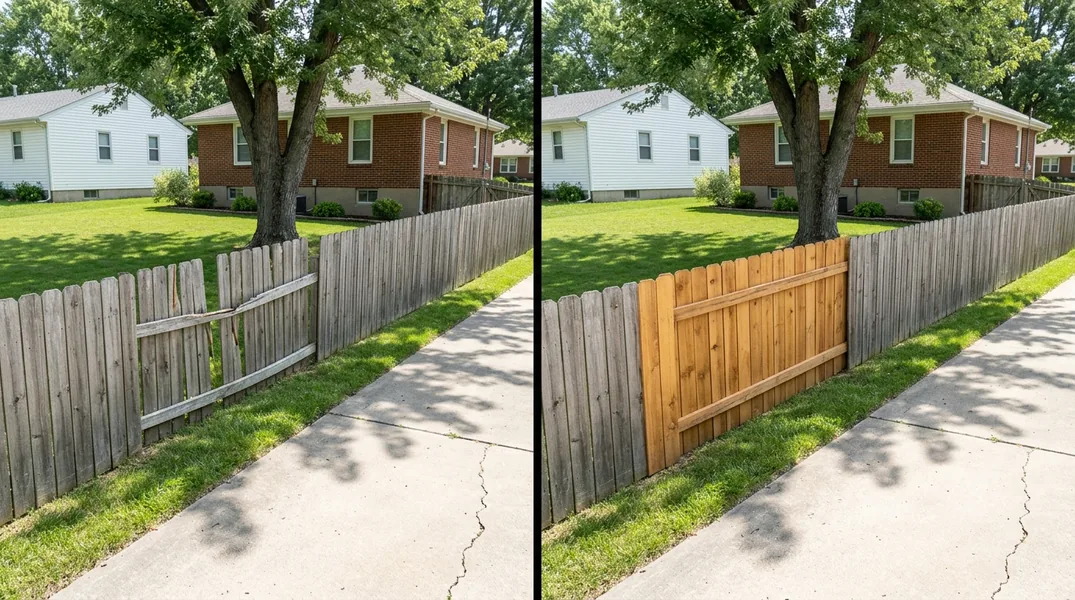
Do You Need a Fence Permit in Kansas City?
One of the first questions homeowners ask when planning a new fence is whether they need a permit. The short answer is: it depends on where you live and what type of fence you're installing. In Kansas City, fence permit requirements vary between the city proper, surrounding counties, and individual neighborhoods with homeowners associations.
Most residential fence projects in Kansas City do require a building permit before installation begins. The Kansas City Building and Development Services department typically requires permits for any fence that is six feet or taller, or for any fence that will be installed on or near a property line. Even shorter fences may need permits depending on your specific location and local ordinances. Failing to obtain the required permit can result in fines, orders to remove the fence, or complications when selling your home. Before you hire a contractor for Wood & Privacy Fence Installation, it's essential to verify the permit requirements for your property.
Understanding Kansas City Fence Height Regulations
Fence height regulations in Kansas City are among the most important rules to understand before construction begins. The city enforces strict guidelines about how tall your fence can be, and these limits vary depending on where your fence is located on your property and what zone your property falls under. In most residential areas of Kansas City, the maximum fence height is six feet in your backyard, though front yard fences are typically limited to four feet. These regulations exist to maintain sight lines for traffic safety, preserve neighborhood aesthetics, and prevent disputes between neighbors.
It's important to note that fence height is measured from the ground level at the base of the fence, not from a sloped or uneven yard. If your property sits on a hill or has significant grade changes, this can affect how the height is measured and whether your fence complies with local codes. Some materials, like Vinyl & PVC Fence Installation, may have specific height restrictions as well. When you're ready to move forward with your project, Kansas City Fencing can help you navigate these regulations and ensure your fence meets all local height requirements.
HOA Fence Rules and Restrictions
If you live in a community with a homeowners association, you'll need to follow additional fence guidelines beyond city regulations. HOA fence rules often impose stricter standards than municipal codes, including limits on height, materials, color, and style. Some HOAs prohibit certain fence types altogether, such as Chain Link Fence Installation, while others have detailed specifications about wood stain colors or vinyl finishes. Before purchasing materials or hiring a contractor, review your HOA's architectural guidelines or contact your HOA board for written approval of your fence plans.
Many HOA communities in the Kansas City area require homeowners to submit an architectural review application before any fence work begins. This process can take several weeks, so it's wise to start early if you're planning a fence project. Some HOAs are more flexible than others, but getting written approval in advance protects you from costly mistakes. If you're unsure about your HOA's specific fence rules, we recommend requesting clarification in writing before proceeding with installation. Our team at Kansas City Fencing has experience working with HOA-governed communities and can help you understand what's permissible for your property.
Fence Permit Requirements by Kansas City County and Surrounding Areas
While Kansas City proper has its own building codes, surrounding areas like Independence, Lee's Summit, and Blue Springs have different permit requirements and regulations. Jackson County, Clay County, and Johnson County each maintain their own building departments with varying fence codes. For example, some counties may allow taller fences in certain zones, while others enforce stricter height limits. It's critical to check with your specific county or municipality before beginning any fence work.
If you're unsure which jurisdiction governs your property or what permits you'll need, contact your local building department directly. They can provide you with a copy of the applicable fence ordinances and explain the permit application process. Many contractors, including Kansas City Fencing, are familiar with permit requirements across multiple jurisdictions and can guide you through the process. When you request a free estimate, we can discuss permit requirements specific to your location and help ensure your project stays compliant from start to finish.
Common Fence Materials and Their Permit Considerations
Different fence materials may have different permit implications. For instance, Wood & Privacy Fence Installation is one of the most popular choices in Kansas City, but wood fences require regular maintenance and may be subject to specific code requirements regarding post depth and material quality. Vinyl fences, ornamental options like Aluminum & Ornamental Iron Fencing, and chain link all have different structural standards that building inspectors will evaluate during the permit process.
When you apply for a fence permit, you'll typically need to provide specifications about the fence material, height, location, and design. Inspectors want to ensure the fence is structurally sound and will remain stable over time. Some materials, like vinyl, may be permitted at heights where wood is not, or vice versa depending on local code. Understanding these material-specific rules before you start shopping can save time and money. Our team can discuss which materials work best for your situation and help ensure your chosen fence type meets all local code requirements.
How to Get Your Fence Permit and Next Steps
The fence permit application process in Kansas City typically begins with a visit to your local building department or their website. You'll need to provide property details, fence specifications, and often a site plan showing where the fence will be located. Some jurisdictions allow online applications, while others require in-person submissions. Processing times vary but typically range from one to four weeks. Once your permit is approved, you'll receive a permit number and can proceed with installation.
Before hiring a contractor, verify that they're familiar with local permit requirements and can handle the application process on your behalf. Many experienced fence companies, including Kansas City Fencing, can manage permits as part of the installation service, making the process much simpler for homeowners. If you're ready to move forward with your fence project and want professional guidance on permits and regulations, call us at (816) 631-8814 or request a free estimate today. We'll help you understand what's required for your specific property and ensure your new fence meets all Kansas City codes and regulations from day one.
Looking for a professional tree service in Kansas City? Kansas City Fencing responds fast for all your fence needs.
Get a Free Quote