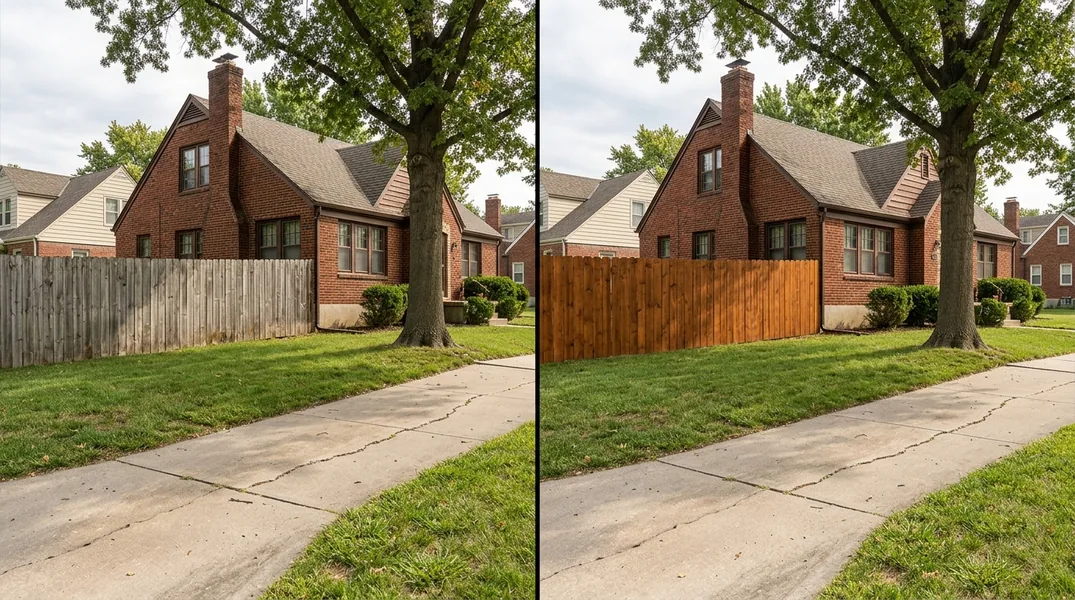
Why Cedar Fences Need Staining and Sealing
Cedar is one of the most beautiful and popular materials for Wood & Privacy Fence Installation in Kansas City. Its natural warmth, rich grain, and inherent resistance to rot make it an excellent choice for homeowners who want both aesthetics and durability. However, many people don't realize that cedar's natural oils and protective qualities fade over time when exposed to the elements. Without proper care, your cedar fence can deteriorate much faster than you'd expect.
The Kansas City climate presents specific challenges for wood fences. Our region experiences significant temperature swings, humidity variations, and UV exposure throughout the year. Rain, snow, and intense summer sun all work together to break down the wood's protective barriers. When the cedar's natural oils diminish, the wood becomes vulnerable to moisture penetration, which leads to warping, splitting, and ultimately rot. This is where fence staining comes into play. By applying a quality stain and seal, you create a protective barrier that shields your fence from these environmental threats and can literally double the lifespan of your investment.
How Fence Staining Extends Your Fence's Lifespan
A properly stained and sealed cedar fence can last 20 to 25 years or more, compared to just 10 to 15 years for untreated wood. This dramatic difference comes down to protection at the molecular level. Fence stain and sealer penetrate the wood grain, providing a waterproof barrier that prevents moisture from seeping into the fibers. When water can't penetrate the wood, it can't cause the expansion and contraction that leads to warping, cracking, and checking. Additionally, quality stains contain UV inhibitors that prevent the sun's rays from breaking down the wood's cellular structure.
The protective coating also prevents fungal growth and wood-eating insects from taking hold. Mold, mildew, and algae thrive on damp wood surfaces, and they accelerate decay. By keeping the wood dry and sealed, you eliminate the conditions these organisms need to flourish. Furthermore, stain helps prevent the wood from becoming a food source for termites and other pests. Over the life of your fence, this protection translates into fewer repairs, less maintenance, and significantly lower replacement costs down the road.
Fence Stain Colors and Options for Your Home
One of the best aspects of fence staining is the aesthetic flexibility it offers. Unlike paint, which sits on top of the wood and can peel, quality fence stains come in a wide range of colors while still allowing the natural wood grain to show through. This gives your fence a more refined, natural appearance while providing the protection your cedar needs. Popular fence stain colors include warm honey tones that enhance the natural warmth of cedar, rich chocolate browns that provide a sophisticated look, and semi-transparent grays that complement modern home designs.
When choosing a fence stain color, consider your home's exterior palette, your landscaping, and your personal style preferences. Lighter stains like natural cedar and honey tones work well for traditional homes and create a bright, open feeling in your yard. Darker stains like espresso and dark walnut provide contrast and can make a bold design statement while hiding dirt and weathering patterns better than light colors. Semi-transparent stains are popular for homeowners who want to showcase the wood grain while providing substantial protection. Solid stains offer maximum coverage and are ideal if you want to match a specific color scheme. When you're ready to make your decision, the team at Kansas City Fencing can show you samples and help you select the perfect shade for your property.
Understanding Fence Staining Cost in Kansas City
The fence staining cost in Independence and throughout the Kansas City metro area depends on several factors, including the size of your fence, the condition of the wood, the type of stain you choose, and whether you need prep work done first. A typical residential fence staining project might range from $800 to $3,000 or more, depending on these variables. Transparent stains are usually the most affordable option, while semi-transparent and solid stains cost slightly more due to their enhanced coverage and durability. Premium stain brands that offer superior UV protection and longevity may have a higher upfront cost but provide better value over time.
It's important to understand that fence staining is an investment in your property's longevity and appearance. While the initial expense might seem significant, consider that staining your fence every 3 to 5 years costs far less than replacing the entire fence. A fence replacement can easily run $5,000 to $15,000 or more depending on the size and materials. When you factor in the extended lifespan that proper staining provides, the cost becomes very reasonable. Additionally, a well-maintained, beautifully stained fence can enhance your home's curb appeal and property value. To get an accurate estimate for your specific fence, contact Kansas City Fencing at (816) 631-8814 or request a free estimate online. Our team will assess your fence's condition and provide transparent pricing based on your needs.
The Staining Process and When to Schedule Service
Professional fence staining involves more than just slapping stain on wood. A proper application begins with thorough preparation, which may include pressure washing to remove dirt, mold, and algae, sanding to smooth the surface and open the wood grain, and repairing any damaged boards. Once the fence is clean and prepped, the stain is applied in thin, even coats to ensure proper penetration and a uniform appearance. Quality contractors typically apply two coats for optimal protection and color richness. The entire process requires attention to detail and the right environmental conditions to ensure the stain cures properly.
Timing matters when it comes to fence staining. The best time to stain your fence is during dry weather with mild temperatures, typically spring or early fall. Avoid staining during rainy seasons or when temperatures are extremely hot, as these conditions can interfere with proper stain adhesion and curing. If your cedar fence is relatively new, you may want to wait 6 to 12 months before the first staining to allow the wood to weather slightly and open its grain. If your fence is already several years old or showing signs of weathering, graying, or discoloration, it's time to schedule staining. In Blue Springs and throughout the region, spring and fall are ideal windows for this work.
Maintenance Tips Between Staining Applications
To maximize the lifespan of your stained fence, regular maintenance between applications is essential. Inspect your fence at least twice a year, looking for signs of damage, peeling stain, or areas where water is pooling on the surface. Keep gutters and downspouts clear so water drains away from your fence rather than running down it. Trim vegetation and tree branches that touch or hang over your fence, as constant moisture from leaves and branches can compromise the stain's protective qualities. If you notice mold or mildew beginning to grow on the fence, a gentle cleaning with a soft brush and mild detergent can address it before it becomes a larger problem.
Most quality stains last 3 to 5 years before they need reapplication, depending on the specific product and your local climate conditions. By staying on top of maintenance and reapplying stain on schedule, you'll keep your cedar fence looking beautiful and performing optimally for decades. The small effort you invest in upkeep will pay dividends in fence longevity and the continued enjoyment of your outdoor space. If you're unsure whether your fence needs restaining or if you'd like professional guidance on maintenance, the experts at Kansas City Fencing are happy to help. Call (816) 631-8814 today to discuss your fence care needs.
Looking for a professional tree service in Kansas City? Kansas City Fencing responds fast for all your fence needs.
Get a Free Quote